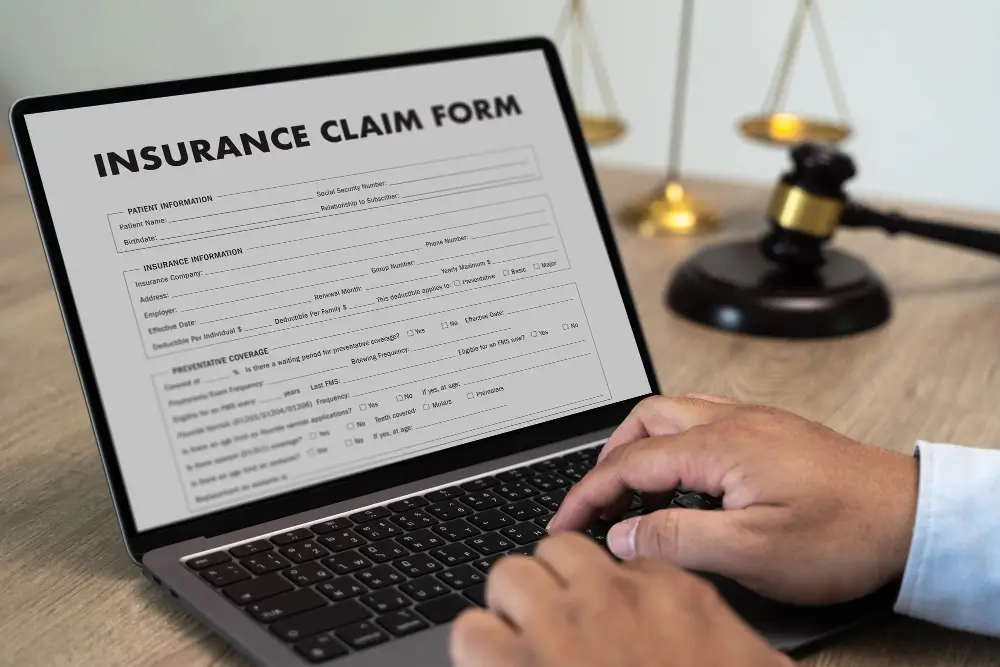
The process of making an insurance claim becomes difficult when tragedy really strikes. A storm destroys your roof, your vehicle sustains damage, or you receive a diagnosis of a severe medical condition, and you’re left scrolling through documents for that claim.
The good news? Most insurance claims become simple to handle in New Zealand because insurers follow well-defined procedures. This guide provides complete instructions for filing an insurance claim in New Zealand, including the necessary items and anticipated results throughout the entire insurance claim process in NZ.Step 1: Make sure everyone is safe
Safety needs to be established as the first task that requires completion before you make an insurance claim.
- Civil Defence authorities recommend which areas to avoid when your home sustains damage.
- If your vehicle is involved in an accident, move to a safe place if possible.
- The Police need to be contacted for report number identification when there has been a burglary or criminal activity.
The purpose of insurance is to provide you with financial assistance during your recovery process; your safety holds the highest priority.
Step 2: Understand what your policy covers
Before lodging a claim, review your policy documents. To make an insurance claim, you’ll need:
- Your policy number
- The type of cover you have (house, contents, motor, life, health, income protection, trauma, etc.)
- Your excess amount
- Any special terms or exclusions
For example:
- Some motor policies allow excess-free glass claims.
- Many house policies include cover for emergency works or temporary accommodation.
- Health or trauma insurance may require specific medical documentation.
If you’re unsure, contact your insurance adviser or insurer directly. A quick conversation can clarify what is and isn’t covered.
Step 3: Gather your documentation
The more organised you are, the faster your claim can move. Depending on the type of claim, you may need:
- Photos of the damage
- Receipts or proof of purchase
- Police report reference number (if applicable)
- Medical reports (for health, trauma, or income protection claims)
- Details of what happened (date, time, circumstances)
- Contact details of anyone involved
The good news? Most insurance claims become simple to handle in New Zealand because insurers follow well-defined procedures. This guide provides complete instructions for filing an insurance claim in New Zealand, including the necessary items and anticipated results throughout the entire insurance claim process in NZ. Images downloaded from the internet won’t count as proof of ownership. Insurers need genuine evidence that the items were yours. Good record-keeping makes a real difference.
Step 4: Contact your insurer or adviser
In New Zealand, you can usually lodge a claim:
- Online via your insurer’s website or customer portal
- Through your insurance adviser
- By calling your insurer directly
New Zealand insurers permit their customers to file health insurance claims through online platforms, while their complex claims require customers to contact their specialized claims team via telephone.
The Insurance Council of New Zealand states that homeowners should contact their insurance provider immediately after a loss to file house and contents, and motor vehicle insurance claims, as this step is essential before beginning repair work.
If you have a broker, they can advocate on your behalf and guide you through the insurance claim process in NZ.
Step 5: Assessment and excess
Once your insurance claims in NZ are lodged:
- A claims specialist or case manager may be assigned to you.
- For property claims, an assessor or loss adjuster may inspect the damage.
- For health or disability claims, medical documentation will be reviewed.
Most policies include an excess, the amount you contribute toward the claim. This is your uninsured portion of the loss. In some cases (such as when you’re not at fault in a motor claim), the excess may be recoverable.
Insurers assess claims based on:
- Your policy wording
- The cause of the loss
- Supporting documentation
Insurance is designed to cover sudden and unexpected events, not wear and tear or lack of maintenance.
Step 6: Claim outcome and settlement
After assessment, your insurer will confirm the outcome. Depending on the type of claim, this could mean:
- Repairs arranged directly by the insurer
- Replacement of items
- A cash settlement
- Lump sum payment (for trauma insurance)
- Ongoing monthly payments (for income protection)
- Payment of medical costs (for health insurance)
If your claim is approved, the insurer will explain how and when payment will be made.
If it’s declined or partially approved, they must explain why, referencing your policy wording.
Special situations
House insurance claims
For severe events like earthquakes, floods, or major storms:
- Insurers may prioritise the most vulnerable households.
- There may be delays if many properties are affected at once.
- Emergency works may be covered, but check before arranging costly repairs.
Many natural disaster-related claims are handled directly by your insurer, and they may coordinate with government agencies where relevant.
Contents insurance claims
Common insurance claims in NZ include theft, accidental damage, and storm-related loss. Always:
- Report theft to the police
- Keep damaged items until your insurer advises otherwise
- Take clear photos before disposing of anything
Motor vehicle claims
After an accident:
- Exchange details with the other party
- Record licence plate numbers
- Take photos of the scene
- Avoid admitting liability
Contact your insurer as soon as possible, ideally before arranging repairs.
Life, trauma, and income protection claims
For personal insurance products like:
- Life insurance nz
- Trauma insurance nz
- Income protection insurance nz
- Health insurance nz
You’ll usually need medical documentation and possibly reports from your GP or specialist.
Many insurers assign a dedicated case manager to guide you through the process and, where appropriate, offer rehabilitation support.
What if you’re unhappy with the outcome?
All members of the Insurance Council of New Zealand are bound by the Fair Insurance Code. This sets standards for communication, timelines, transparency, and complaint handling. If you’re not satisfied:
- Raise the issue directly with your insurer first.
- Follow their internal complaints process.
- If unresolved, escalate to their independent dispute resolution scheme.
You have rights, and insurers are required to treat you fairly.
Quick checklist for making a claim in NZ
- Ensure safety first
- Review your policy and excess
- Gather photos, receipts, and reports
- Contact your insurer or adviser promptly
- Keep records of all communication
- Don’t start major repairs without approval
Ready to get covered?
Understanding the insurance claim process in NZ before you need it can save stress later. If you’re unsure about your current cover or want to review your protection:
Are you fully covered?
Talk to NZ Insurances today.
Call us, email us, or book a free review with one of our insurance advisers nz and make sure you’re prepared before life throws the unexpected your way.
.jpg)